
Introduction
Oral cancer is a serious health condition that affects the mouth and surrounding areas, including the lips, tongue, cheeks, gums, floor of the mouth, hard and soft palate, and throat. It occurs when abnormal cells grow uncontrollably and form a tumor. Early detection plays a crucial role in successful treatment and recovery. Consulting the best oral cancer surgeon in Barrackpore can help in timely diagnosis, proper evaluation, and effective treatment planning.
What is Oral Cancer?
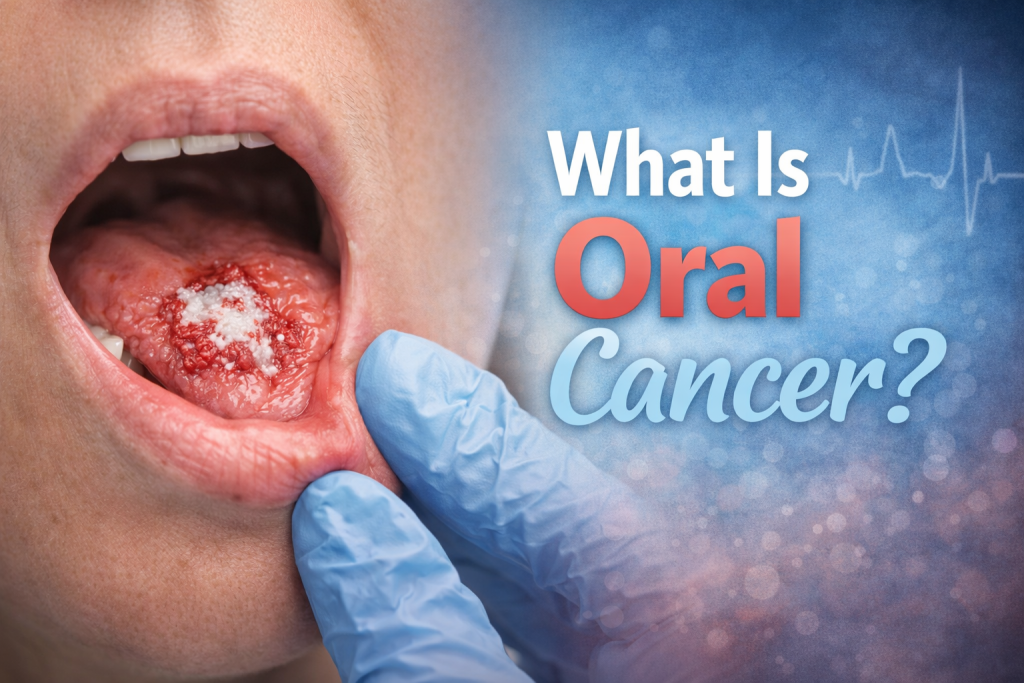
Oral cancer is a type of head and neck cancer that develops in any part of the oral cavity. It often begins as a painless sore or patch that does not heal and may gradually worsen. Many people ignore early signs, which leads to late diagnosis. Regular oral check-ups are essential to identify changes at an early stage.
Causes of Oral Cancer
Several risk factors increase the chances of developing oral cancer. The most common causes include:
- Tobacco use (smoking, chewing tobacco, gutkha, paan)
- Excessive alcohol consumption
- Human Papillomavirus (HPV) infection
- Poor oral hygiene
- Chronic irritation from sharp teeth or ill-fitting dentures
- Excessive sun exposure (especially lip cancer)
- Areca nut (supari) chewing
- Weak immune system
Symptoms of Oral Cancer
Recognizing symptoms early can save lives. Some common warning signs include:
- A mouth sore that does not heal
- Red or white patches inside the mouth
- Persistent pain or burning sensation
- Difficulty chewing, swallowing, or speaking
- Lump or thickening in the cheek
- Tongue stiffness or reduced movement
- Unexplained bleeding from the mouth
- Loose teeth without dental reason
- Numbness in the mouth or lips
- Ear pain without infection
If any of these symptoms last more than two weeks, medical evaluation is important.
Oral Disease That Can Transform
Oral diseases that have potential to transform into malignant disorders:
- Oral Submucous Fibrosis
- Leukoplakia
- Erythroplakia
Diagnosis of Oral Cancer
Diagnosis usually involves:
- Clinical oral examination
- Biopsy (confirmatory test)
- Imaging tests such as CT scan, MRI, or PET scan
- Endoscopy in some cases
Early diagnosis improves survival rates significantly and allows less aggressive treatment.
Treatment of Oral Cancer
Treatment depends on the stage, location, and overall health of the patient. Common treatment options include:
1. Surgery:
Removal of the tumor is the primary treatment in many cases.
2. Radiation Therapy:
Used after surgery or as a primary treatment in early stages.
3. Chemotherapy:
Often combined with radiation for advanced cancer.
4. Targeted Therapy & Immunotherapy:
Modern treatments that attack cancer cells more precisely.
5. Reconstruction Surgery:
Helps restore speech, swallowing, and facial appearance after tumor removal.
Multidisciplinary care ensures better functional and cosmetic outcomes.
Prevention Tips
- Quit tobacco in all forms
- Limit alcohol intake
- Maintain good oral hygiene
- Visit a dentist regularly
- Eat a healthy diet rich in fruits and vegetables
- Check any mouth ulcer that lasts more than 2 weeks
wwEConclusion
Oral cancer is preventable and highly treatable when detected early. Awareness of risk factors and symptoms can make a life-saving difference. Regular screening and prompt consultation are essential if you notice unusual changes in your mouth. Seeking care from the best oral cancer surgeon in north kolkata ensures accurate diagnosis, advanced surgical management, and comprehensive rehabilitation, improving both survival and quality of life.